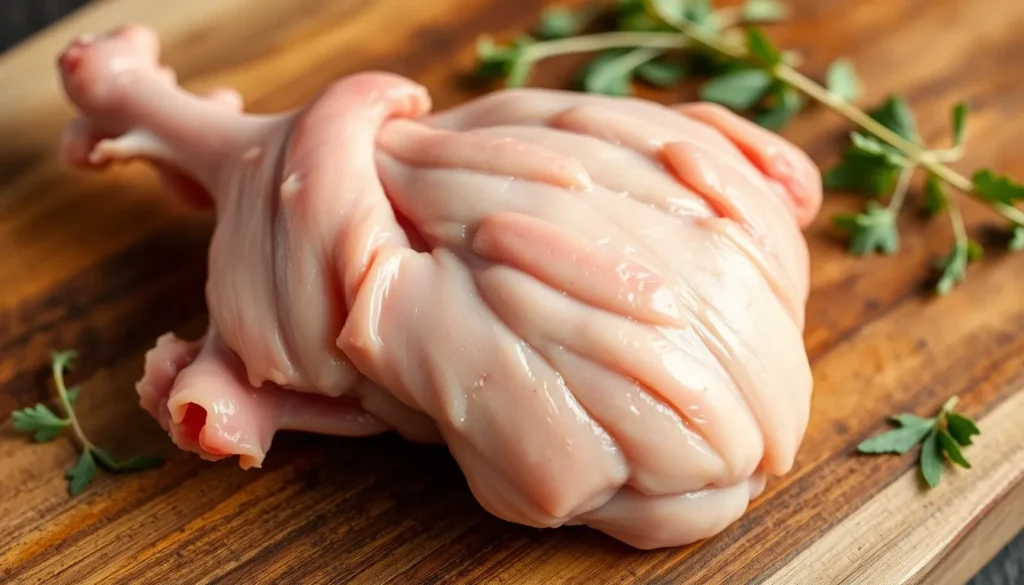
Ever wondered what gives chickens that extra crunch in their diet? Enter the gizzard—a little-known but mighty organ that plays a crucial role in a chicken’s digestive process. Think of it as nature’s very own food processor, working tirelessly to break down those grains and seeds into digestible bits.
While most people might think of chicken as just another dinner option, the gizzard is a culinary treasure waiting to be discovered. Packed with flavor and nutrients, it’s a delicacy in various cuisines around the world. So, if you’re ready to dive into the fascinating world of chicken anatomy and discover why this unsung hero deserves a spot on your plate, keep reading! You might just find yourself craving something a bit more adventurous than your usual chicken breast.
Understanding Gizzards
Gizzards are specialized digestive organs in chickens. They play a critical role in processing food for optimal nutrient absorption.
Definition of a Gizzard
A gizzard is a muscular part of a chicken’s digestive system. This organ helps grind food, especially hard grains and seeds. Gastric juices aid in breaking down food further. Commonly confused with other organs, gizzards are specific to birds, reptiles, and some other animals. Culinary enthusiasts often cherish gizzards for their distinctive texture and taste.
Role in Digestion
In digestion, gizzards serve as a natural grinder. Chickens consume grit, small stones that help in the grinding process. The gizzard contracts, mixing food with digestive enzymes and juices. This mechanical and chemical breakdown prepares food for the intestines. Effective digestion leads to better nutrient absorption, essential for a chicken’s health. Nutrient-rich feed processed by the gizzard enhances overall energy levels and growth.
Anatomy of a Chicken Gizzard
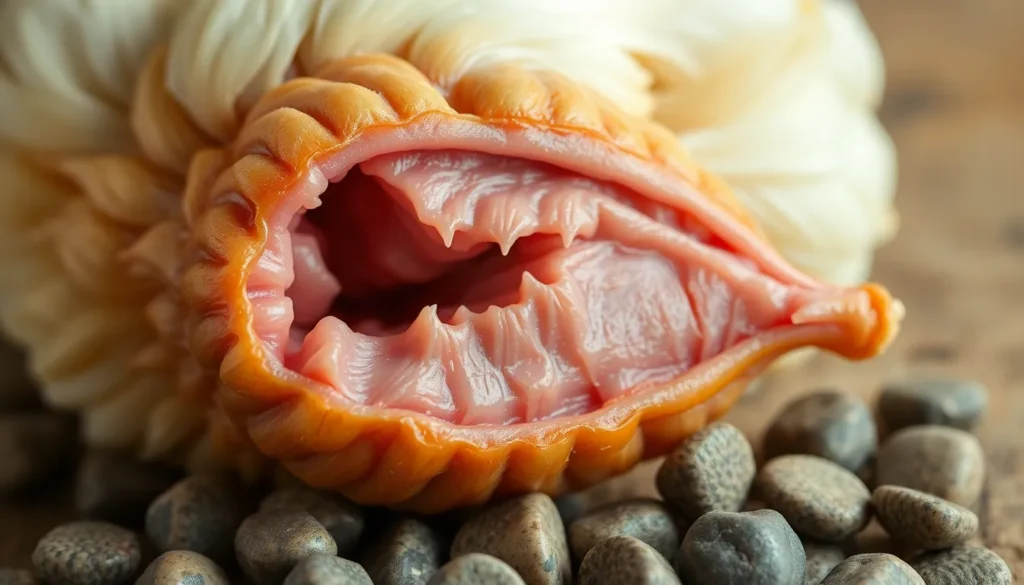
The chicken gizzard plays a crucial role in digestion, featuring a specialized structure that effectively processes food. This muscular organ primarily consists of three layers: the outer muscular layer, the inner lining, and a thick layer of connective tissue.
Structure and Composition
Muscle fibers densely packed make up the outer layer, allowing the gizzard to contract and grind food efficiently. An inner layer secretes digestive enzymes that aid in breaking down nutrients. Within this structure, grit or small stones may accumulate, further assisting in grinding hard grains and seeds. This combination of muscle and digestive elements exemplifies the gizzard’s importance in a chicken’s digestive process.
Comparison with Other Digestive Organs
The gizzard differs significantly from other digestive organs, such as the stomach and intestines. Unlike the stomach, which primarily holds and initial breaks down food, the gizzard focuses on mechanical digestion through grinding. Chickens lack teeth, so the gizzard compensates by breaking food into smaller pieces. Comparatively, intestines absorb nutrients and water, facilitating further digestion after the gizzard has done its work. Each of these organs contributes uniquely to the overall digestive efficiency in chickens.
Functions of the Gizzard
The gizzard plays a crucial role in the digestion of chickens. Its primary functions include mechanical digestion and nutrient absorption.
Mechanical Digestion
Mechanical digestion in the gizzard occurs through muscle contractions that grind food. This organ crushes hard grains and seeds effectively, relying on its muscular structure. Without teeth, chickens depend on the gizzard’s grinding action to break down food into smaller particles. Additionally, grit, which chickens ingest, assists in this grinding process, enhancing efficiency. By thoroughly mixing food with digestive enzymes, the gizzard prepares it for further processing in the digestive system. This grinding action ensures that nutrient-rich components become accessible for absorption.
Nutrient Absorption
Nutrient absorption occurs following mechanical digestion in the gizzard. Once food particles are small enough, they pass into the intestines for further breakdown and nutrient extraction. The gizzard’s inner lining secretes digestive enzymes that help release vital nutrients. Nutrients, including proteins, vitamins, and minerals, become available for absorption in the intestines, supporting overall chicken health. As a result, effective nutrient absorption from the gizzard aids in growth and energy production. Ultimately, the gizzard’s functions contribute significantly to a chicken’s overall digestive health and wellbeing.
Health Benefits of Gizzards
Gizzards offer numerous health benefits that extend beyond their delicious flavor. Nutrient density characterizes these organs, making them a valuable addition to any diet.
Nutritional Value
Gizzards are rich in protein, providing about 28 grams per 100 grams serving. They supply essential vitamins such as B12, which supports red blood cell formation and nerve function. A significant source of minerals, gizzards contain iron, vital for oxygen transport in the body, and zinc, which aids in immune function. Low in fat yet high in nutrients, gizzards make an excellent lean protein choice. Packed with phosphorus, they contribute to healthy bones and teeth as well.
Incorporating Gizzards into Diet
Including gizzards in a diet can be simple and enjoyable. Cooking methods like grilling, frying, or stewing enhance their unique texture and flavor. Many culinary enthusiasts recommend adding gizzards to soups and stews, where they absorb rich flavors while providing added nutrition. Traditional dishes from various cultures often feature gizzards, showcasing their versatility. For a healthier option, individuals can prepare gizzards by boiling and seasoning them for salads or grain bowls. Exploring different recipes showcases the gizzard’s role in diverse cuisines, making it an adventurous alternative for meal planning.
Exploring the gizzard opens up a world of culinary possibilities. This often-overlooked organ not only plays a vital role in a chicken’s digestion but also offers a unique and flavorful addition to various dishes. With its rich nutrient profile and versatility in cooking, gizzards deserve a spot in more kitchens.
Whether grilled, fried, or stewed, they can elevate meals while providing essential vitamins and minerals. Embracing gizzards as a delicious alternative to conventional cuts of chicken can enhance both taste and nutrition. As more people discover this delicacy, it’s clear that the gizzard is a worthy ingredient for adventurous eaters and health-conscious individuals alike.